
The Ultimate Guide to Digital Business Cards in 2026 (Everything You Need to Know)
Discover how digital name cards work in 2026. Learn about NFC cards, lead generation form, multiple profiles, CRM pipelines, analytics and centralised team management.

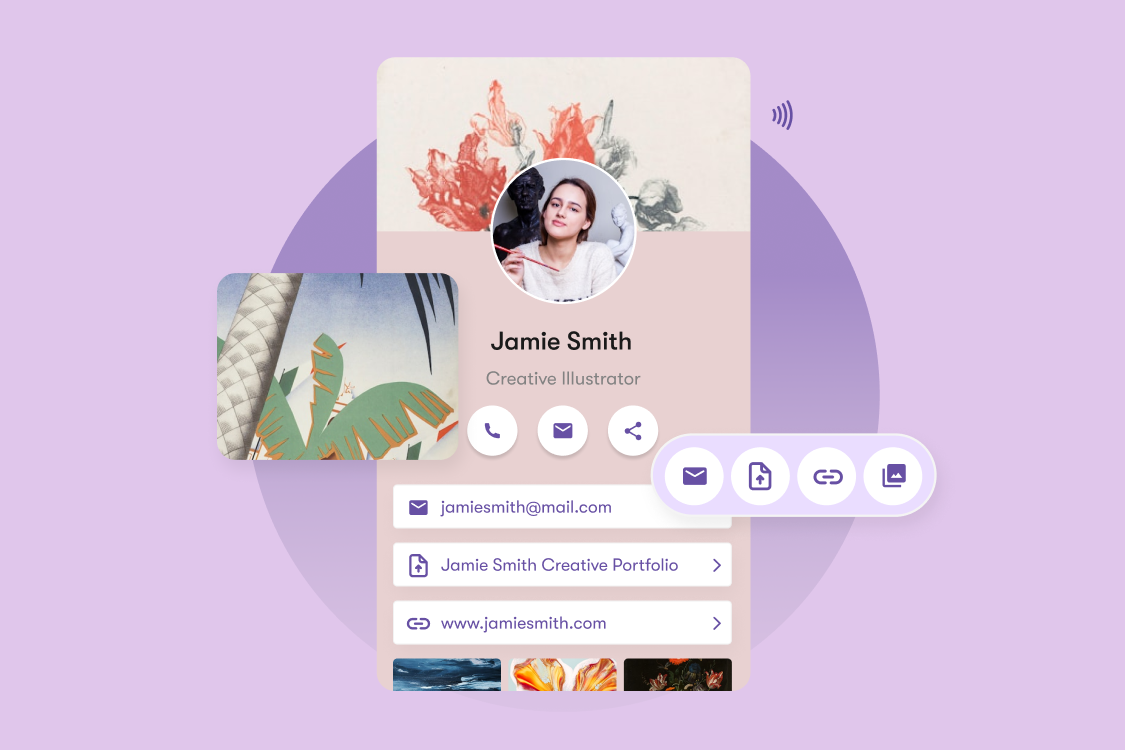
In 2026, digital business cards, including QR-based name cards, NFC name cards, and team-management platforms, have become the standard way professionals connect.
The way we network has changed dramatically in the past few years. Hybrid work, global teams and digital-first communication have transformed how professionals connect.
Whether you are running a business, or managing a sales team, or simply looking to digitalise or modernise the way you network and exchange contacts, this ultimate guide breaks down everything you need to know about digital business cards, how they work, why they are the go-to solution to connecting and what features truly matter today.
Let's dive in.
What is a Digital Business Card?
 A digital business card is a shareable profile that stores your contact information, such as your contact details, company information, social links, portfolio and more. They are shared by someone scanning your QR code, tapping on your NFC card, or when they click on your personalised link. This profile contains your contact details and can be saved directly into their phone.
Unlink traditional paper name cards, digital business cards:
- Don't require reprinting, unlimited usage
- Update instantly when changes are made
- Can be shared via a URL, QR code or NFC tap
- Work with any smartphone
- Capture analytics and insights
In 2026, digital business cards have evolved beyond a simple contact-sharing tool. They have become a complete networking system that can help you:
- Collect leads
- Manage contacts
- Track engagement
- Measure networking ROI
This digital shift in the way we work is what's driving mass adoption across corporate teams, event organisers, and sales teams worldwide.
Why Digital Business Cards Matter Even More in 2026
Here are some reasons why businesses and individuals are making the switch to digital business cards:
- Instant Updates, Zero Reprints: Got a promotion at work? Refreshed branding? Moved office? Easily update your digital business card and begin sharing the updated version instantly.
- Eco-Friendly & Sustainable: Reduce wasted printed cards and unnecessary reprints
- Cost-Effective: Companies can save up to thousands per year, instead of paying to reprint paper name cards over and over again
- Modern Lifestyle: In today's digital society, people now prefer interactions that are fast and mobile-driven
- Better Follow-Ups: Most professionals lose paper cards or forget who they have met. Digital business cards solve this by being able to save contacts directly into the phone, and logging who you met
Who Should Switch to Digital Business Cards?
Adoption has skyrocketed in:
- Corporate sales teams with CRM workflows
- Businesses modernising their brand image
- Corporate events
- Financial services and insurance teams
- Real estate agencies
- Education institutions
- Event organisers
With the rise of tech-forward culture, digital name cards have become the default choice for impression, speed and sustainability.
What's New in 2026: Your Must-Have Features in a Digital Business Card
1. Lead Generation Form

One of the biggest perks of digital business cards vs traditional paper name cards is the ability to collect leads directly from your card.
With a built-in contact form, you will now be able to capture any leads instantly. This turns your business card into a mini landing page, perfect for events, sales teams, recruiters, and business owners always on-the-go capturing leads.
2. Multiple Profiles

We often juggle more than 1 persona in 2026. Corporate sales executive by day, content creator by night. Or perhaps, you have your own side hustle during your 5-9. Regardless, the old notion of "one person, one card" doesn't work anymore.
Digital business card platforms should support Multiple Profiles, allowing you to create:
- Corporate profile
- Freelance profile
- Business profile or portfolio
You will easily be able to switch between your different profiles instantly depending on the event or audience, making networking flexible for the multi-hyphenate professionals.
3. CRM Deal Pipeline

This is where digital business cards enter the world of real sales workflows. Traditional paper name cards stop at exchanging contact information. A modern and digital platform continues your networking journey by enabling you to:
- Track who you met
- Add deals and opportunities
- Move prospects through a visual pipeline
- Monitor conversion rates
Instead of letting opportunities slip through the cracks, your digital business card becomes the first step of your CRM funnel.
4. Networking Analytics and Insights

Analytics turn networking from guesswork into measurable performance. In 2026, professionals expect to see data such as:
- Profile Views and Engagement Insights: You can now track how many people viewed your card, when they viewed it and whether they saved your contact.
- Widget Click-Through Rates (CTR): See which content resonates with your audience, which links get attention and which CTAs perform best. Refine your digital business card the same way marketers optimise a website.
- Location-Based Insights: Many business interactions happen at events, roadshows, or seminars. Event analytics helps you evaluate the event ROI, and identify which segments are your audience most engaged with.
- Team-Level Analytics: For HR/Sales leaders, analytics are essential in showing who are your top performers (by views, engagement and lead captures), conversion rates, and lead distribution within the team. You will easily be able to collate and know how many leads were collected during any event.
This allows individuals and teams to answer questions like:
- "Which events are worth returning to?"
- "Which sales representative are generating the most leads?"
- "What are the potential chokepoints in my sales pipeline?"
By understanding what happened after the tap or scan, professionals finally have clarity and insights on their networking efforts.
Which Digital Business Card Should You Use?
With so many options available in the market - QR apps, simple digital card generators, online design templates, choosing the right digital business card platform in 2026 really depends on what you want your card to do for you.
Not all digital business cards are created equal. Some offer just a static page with your details and a QR code, others are part of a whole complete ecosystem with CRM, analytics and team admin controls.
So which digital business card should I choose? To help you decide better, here's a simple breakdown of the 3 types of platforms, and who each one is best for.
1. Digital Business Cards (QR / URL Only)
These tools offer a simple digital design, with a single customisable link for sharing and a basic QR code.
Best for: Students, freelancers just starting out, and anyone who needs a simple and free way to share their contact details.
One Good Card offers a free digital name card that works via QR and URL. It provides a great entry point for new users who want a simple networking tool without committing to hardware
2. NFC Business Cards
With a wide variety of materials and designs to choose from, such as Matte PVC, Wood, Metal, or other options such as an NFC tag or even the One Good Ring, there are options for any networking scenario.
Best for: Professionals who want a polished networking experience, sales reps, real estate agents, financial advisors, and anyome who want a physical touchpoint.
Paired with digital name card features, such as lead generation forms, multi-media sharing, and analytics, One Good Card offers a smooth and modern one-tap sharing experience.
3. Digital Name Cards for Teams
Team-level digital name cards often offer a centralised admin dashboard for easy of employee digital name card management. This allows top-management to standadise and enforce brand identity on a company-wide level. The platform also typically comes with team analytics, to track team member usage and engagement.
Best for: SMEs, large organisations, sales teams, HR onboarding, event teams, or any company that needs standardised branding and analytics.
OGC for Teams is a full solution built for companies that want consistency, control, and visibility.
Which Option Should I Pick?
Here's a straightforward breakdown of which option is most suitable for you:
- If you just need a simple digital name card → One Good Card (Digital)
- If you want the "tap to share" experience → One Good Card NFC Collection
- If you are managing a team, or company-wide rollout → OGC for Teams
All 3 solutions are integrated smoothly, so users are able to start with a digital name card, and scale up into NFC hardware or a full team management dashboard as their needs grow.

Frequently asked questions
How do digital business cards work?
What is the difference between a digital business card and an NFC business card?
Do digital business cards replace physical name cards?
Are digital business cards safe to use?
How much do digital business cards cost?
Related articles
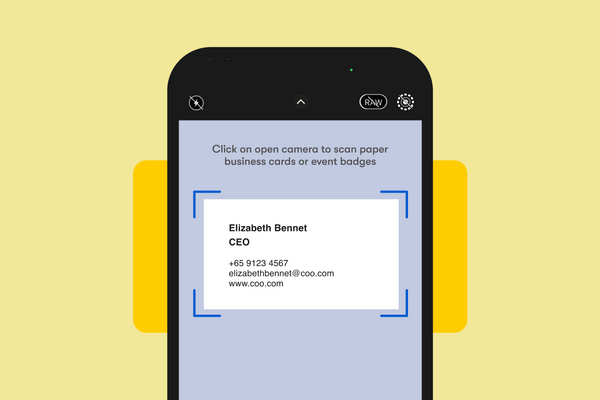
Scan Paper Name Cards into Contacts with OCR Scanner
One Good Card's OCR Scanner reads paper business cards and saves contacts automatically. Available on iOS and Android. No more...
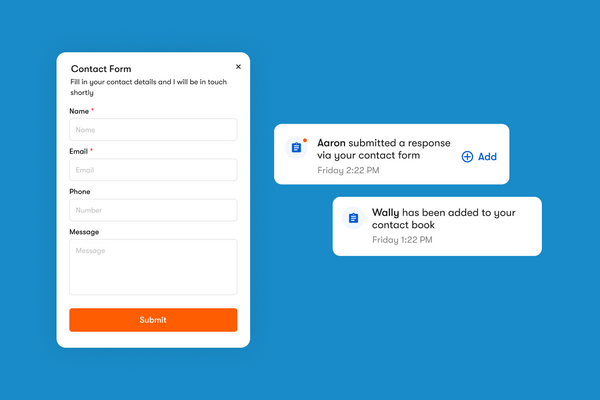
How One Good Card's Contact Form and Leads Page Work
The contact form is a widget you can add directly onto your One Good Card digital name card
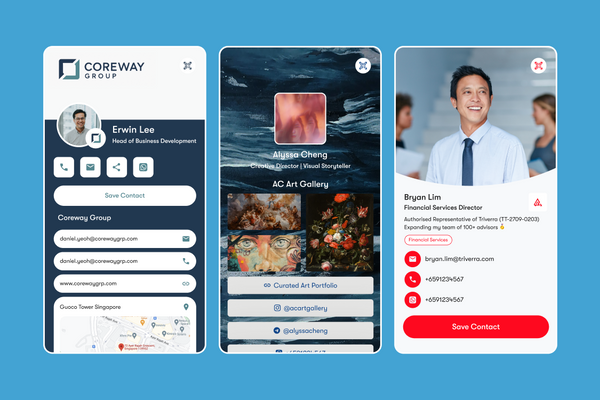
Which Digital Name Card Profile Layout Is Right for You?
Classic, Creator, Business, or Professional — explore One Good Card's four profile layouts and find the one that fits your...
The all-in-one digital business card
for professionals
- ✓ Fully Customisable
- ✓ Lifetime Updates
- ✓ AES-256 Encryption
- ✓ Certified CSA-Compliant
- ✓ iOS and Android